Melasma (Chaiyan): What Actually Helps Fade Dark Patches
What causes melasma, which ingredients have real evidence behind them, how long fading takes, and which so-called fairness creams to avoid.
Melasma, which many people here call chaiyan, shows up as brown or grey-brown patches, usually across the cheeks, forehead, upper lip or nose. It is very common in South Asian women, and it is frustrating, because it fades slowly and comes back easily. It also attracts more bad advice than almost any other skin problem.
Here is what the evidence actually supports.
What causes it
Nobody knows exactly, but the triggers are well understood. According to the American Academy of Dermatology, sunlight, hormonal changes such as pregnancy or birth control pills, and even stress can bring it on. Melasma that appears in pregnancy sometimes fades after delivery, but it can also last for years.
That is why treating melasma is less like curing a rash and more like managing a condition. Fading the patches is half the work. Stopping them from coming back is the other half.
Step one is always sun protection
No cream will work if the skin keeps getting sun. Dermatologists recommend a broad-spectrum sunscreen of SPF 30 or higher, reapplied through the day, plus shade and a hat or dupatta when you are outdoors. Mineral sunscreens with zinc oxide, titanium dioxide or iron oxide are often recommended, and tinted versions avoid the white cast.
This applies all year. Our winter sunscreen guide explains why winter is not a break.
Ingredients with real evidence
Tranexamic acid. The best-studied newer option. A 2018 meta-analysis of 21 trials found it reduced melasma severity scores, and dermatologists use it both on the skin and, for harder cases, as a tablet. Tablets are a prescription treatment. They are not suitable for everyone, particularly anyone with a history of blood clots, so only take them under a doctor's supervision.
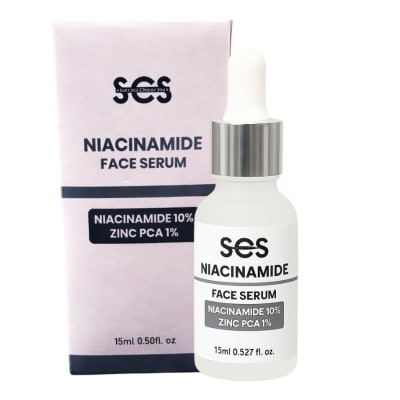
Niacinamide. Gentle and well tolerated. A small controlled study found 4% niacinamide lightened pigmentation compared with placebo, though less than a prescription steroid comparator. It is a good everyday ingredient, especially for people whose skin reacts to stronger actives.
Alpha arbutin and kojic acid. Both slow down pigment production. The studies are smaller. In a 2024 trial, an alpha arbutin and kojic acid product improved melasma over 12 weeks. It worked less than a prescription triple-combination cream, but caused less redness and stinging. Kojic acid can irritate some skin, so patch test first.
Vitamin C. A gentle brightening option dermatologists sometimes use, and a good partner for sunscreen in the morning. Our serum comparison explains how it fits alongside niacinamide.
Products that combine several of these, such as tranexamic acid with alpha arbutin and niacinamide, are popular because they act on pigmentation in different ways at once.
How long it takes
Expect months, not weeks. The AAD says results usually take 3 to 12 months, and longer for melasma that has been there a long time. Take a photo in the same light every four weeks, because day-to-day changes are too small to notice in the mirror.
What to avoid
Unlabelled "formula" and fairness creams that work suspiciously fast. Consumer safety groups testing creams across Asia have repeatedly found dangerous levels of mercury in skin-lightening products, including some made in Pakistan. Mercury can damage the kidneys and nervous system, and it can pass to a baby during pregnancy. Some fast-acting creams also contain strong steroids, which thin the skin and can make pigmentation worse when you stop. If a cream does not list its ingredients, don't put it on your face.
Scrubbing and harsh peels at home. Irritated skin makes more pigment, so aggressive exfoliation can darken melasma. A gentle mask once or twice a week is fine. Daily scrubbing is not.
Lemon, raw garlic and other kitchen remedies. They irritate the skin and can leave it darker than before.
When to see a dermatologist
- If you are not sure it is melasma. Other conditions can look similar.
- If the patches are spreading or have not improved after three months of sunscreen and a sensible routine.
- If you are pregnant or breastfeeding, before starting any active treatment.
- If you want stronger options such as prescription creams, peels or tranexamic acid tablets.
A simple routine to start with
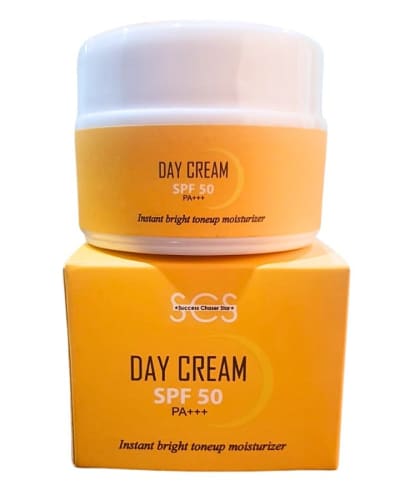
- Morning: gentle cleanser, a niacinamide or vitamin C serum, then sunscreen or an SPF 50 day cream, generously.
- Evening: cleanse, then your pigmentation treatment on the affected areas.
- Once or twice a week: a gentle mask, if your skin tolerates it.
The SCS Anti-Melasma Gel lists tranexamic acid, alpha arbutin and niacinamide among its ingredients, alongside soothing ingredients like panthenol and centella. It is applied to the affected areas twice a day and followed by sunscreen in the morning. As with any active product, patch test on the jaw for a couple of days before using it on your face.
Products in this guide