Vitamin C vs Niacinamide vs Hyaluronic Acid Serum
Three serums, three different jobs. What each one actually does, which skin problem it suits, and how to use them together without wasting money.
Vitamin C, niacinamide and hyaluronic acid are the three serums people ask about most, and they are often sold as if they do the same thing. They do not. Each one solves a different problem, and buying the wrong one is the most common reason a serum "does nothing".
The short answer: dull skin and dark spots point to vitamin C, oiliness, large pores and redness point to niacinamide, and tight, dehydrated skin points to hyaluronic acid.
Vitamin C
Vitamin C is an antioxidant. Its main use in a routine is brightening — evening out a tired, uneven tone and fading the marks left behind after spots and sun exposure. It works slowly: expect to judge it after six to eight weeks of daily use, not after a week.
Good for: dullness, uneven tone, post-acne marks, skin that has had a lot of sun.
Worth knowing: it can tingle for the first few uses, especially on dry or sensitive skin. Vitamin C also breaks down in light and heat, so keep the bottle closed, out of the sun, and out of a hot car or bathroom windowsill. A serum that has turned noticeably dark orange or brown has lost most of its strength.
It is best used in the morning, under sunscreen. The two work well together — but vitamin C is not a replacement for sunscreen.
Niacinamide
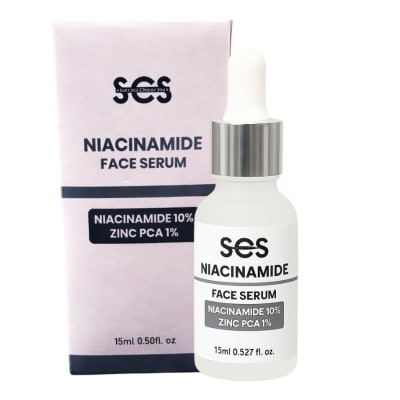
Niacinamide is vitamin B3. It is the most forgiving of the three and the one most people with oily or combination skin will get the most from. It helps regulate oil, makes pores look smaller, and calms redness.
Good for: oily and combination skin, visible pores, redness, skin that breaks out easily.
Worth knowing: the niacinamide serum on PakShop pairs it with zinc PCA, a combination commonly used for oil control, which makes it a sensible first serum for Karachi or Lahore summers. It can be used morning and night, and it rarely irritates — although a small number of people find very high concentrations make them flush, so start once a day.
Hyaluronic acid
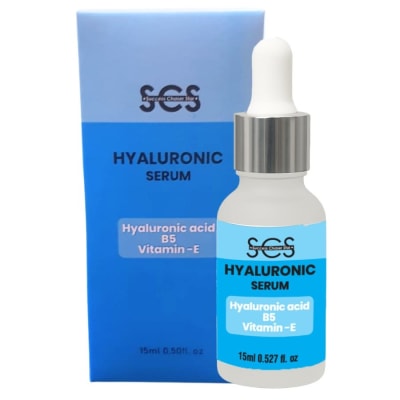
Hyaluronic acid is a humectant: it draws water into the skin and holds it there. It does not treat spots or tone. What it does is make skin feel less tight and look plumper and smoother, because hydrated skin simply looks better.
Good for: dehydrated skin, tightness after washing, skin irritated by acne treatments, winter dryness.
Worth knowing: apply it to slightly damp skin, straight after washing, then seal it with a moisturiser. On completely dry skin in low humidity it has less water to pull from and works less well. It suits almost every skin type, including sensitive skin.
A common confusion: oily skin can still be dehydrated. If your face is shiny by noon but feels tight straight after washing, hyaluronic acid is not wasted on you.
What about rice serum?
Rice or "glass skin" serums are blends rather than single actives. The one on PakShop combines black rice extract with niacinamide, licorice extract, cica and hyaluronic acid — so it covers some of the ground of both niacinamide and hyaluronic acid in one bottle. It is a reasonable choice if you want one gentle, hydrating, brightening step instead of layering two serums.
Can you use them together?
Yes. The old advice that vitamin C and niacinamide cancel each other out comes from lab conditions that do not reflect how modern serums are formulated or used. If your skin tolerates both, you can use both.
If you are layering, go from thinnest to thickest, letting each one sink in for a minute:
- Cleanse, and leave the skin slightly damp.
- Hyaluronic acid.
- Vitamin C (morning) or niacinamide.
- Moisturiser.
- Sunscreen, in the morning.
A simpler split that works well: vitamin C in the morning, niacinamide at night, and hyaluronic acid under either whenever your skin feels tight.
The one thing not to do is start all three in the same week. If your skin reacts, you will not know which one caused it. Add one, give it two weeks, then add the next.
Which one to buy first
- Oily, breakout-prone, visible pores: niacinamide.
- Dull, uneven, marks left from old spots: vitamin C.
- Tight, flaky, or irritated: hyaluronic acid.
- Not sure, and want one gentle step: rice serum.
Whichever you choose, patch test first — a small amount on the inner arm or behind the ear for 24 hours — and use sunscreen every morning. Without it, no brightening serum can keep up with Pakistani sun.
When a serum is not enough
Serums are maintenance, not medicine. Deep, painful or cystic acne, melasma that keeps spreading, or any sudden change in your skin is a job for a dermatologist, not a new bottle.
All the serums below are from verified sellers on PakShop and ship anywhere in Pakistan with cash on delivery.
Products in this guide