Glutathione for Skin: What Gluta Serums Can and Can't Do
What glutathione actually does for skin, what the research shows, why serums and creams beat injections, and how to use a gluta routine properly.
"Gluta" is everywhere right now: serums, creams, soaps, capsules, and clinics advertising drips and injections. Ask ten people what it does and you will get ten answers, most of them promising far more than any skincare product can deliver.
So here is a straight answer: what glutathione is, what it can realistically do for your skin, and where the hype becomes risky.
What glutathione is
Glutathione is an antioxidant your body already makes. It helps protect cells from damage caused by things like UV exposure and pollution. In skincare it became popular because, in the lab, it also nudges the skin towards producing lighter pigment and less of the darker kind.
That lab finding is where the "whitening" reputation comes from. What happens on a real face is a lot more modest.
What the research actually shows
For glutathione applied to the skin, the evidence is promising but small. A systematic review in the Journal of Clinical and Aesthetic Dermatology found only five clinical trials worth including. The best-known one followed 30 women using a 2% glutathione lotion for ten weeks. It found a measurable reduction in skin melanin compared with a placebo lotion, and no side effects. Other small trials have been more mixed.
A fair summary: topical glutathione can help skin look brighter and more even, and it may soften dullness and uneven patches over a couple of months. It will not change your natural skin colour, and any product promising that is either exaggerating or contains something it shouldn't.
That is not a bad thing. Most people who buy a gluta serum are really after skin that looks fresh and even rather than tired and patchy, and that is a realistic goal.
Why injections and drips are a different story
Glutathione injections and IV drips have become a common clinic offering in Pakistan, and this is where caution matters.
- They are not approved for skin lightening. The US FDA has not approved any injectable product for skin whitening or lightening, and regulators in the Philippines and Saudi Arabia have issued public warnings.
- The evidence is weak. One placebo-controlled study of IV glutathione found a poor whitening effect.
- The risks are real. Regulators and dermatologists have reported kidney and liver problems and serious skin reactions. Unsterile injections also carry the risk of infections such as hepatitis.
If you are considering a clinic treatment, at the very least ask what exactly is being injected, where it comes from, and who is supervising it. A qualified dermatologist will usually steer you towards safer options anyway.
What to expect from a gluta serum or cream
- Timeframe: give it 8 to 12 weeks of daily use. Skin renews itself slowly, and nothing worthwhile happens in a week.
- Results: a brighter look, softer dullness, and a more even tone. Older dark spots and melasma usually need more targeted ingredients, such as tranexamic acid or alpha arbutin, and sometimes a dermatologist.
- Sunscreen is non-negotiable. Any brightening effect disappears quickly if your skin keeps getting sun. This is the single biggest reason people say "it didn't work."
Why glutathione is often paired with vitamin C
Both are antioxidants, and they tend to show up together in brightening products. Vitamin C also has its own track record for dullness and uneven tone. Pairing them, with vitamin C in the morning under sunscreen and a glutathione serum at night, is a sensible, gentle routine for most skin types.
If you are also using niacinamide or other serums, our serum comparison explains how they fit together.
A simple gluta routine
- Morning: cleanse, apply a few drops of vitamin C serum, then moisturiser, then sunscreen. A light vitamin C serum also works as a base under makeup.
- Night: cleanse, apply a glutathione serum, then a nourishing cream to seal it in. In winter this matters more, because dry air pulls moisture out of the skin.
- Every week: take a photo in the same light. Small changes are easy to miss in the mirror.
Start one new product at a time, and patch test each one on your jaw for two or three days first. That way, if your skin reacts, you know which product caused it.
What Elanza by Afza offers
Elanzabyafza is a small Pakistani skincare label on PakShop, and its range is built around exactly this kind of brightening routine:
- Gluta White Serum (₨950): a night-time serum aimed at dullness, uneven tone and the look of dark spots, and also at oiliness and visible pores.
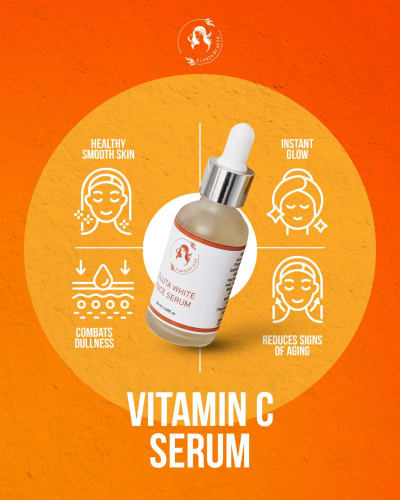
- Vitamin C Facial Serum (₨950): a lightweight morning serum that doubles as a makeup primer. Always follow it with sunscreen.
- Glowing & Beauty Cream (₨450): a day-and-night moisturiser with glutathione and vitamin C. It is an easy way to seal in either serum.
The cream mentions sun protection, but it doesn't list an SPF number. On days you will be outdoors, add a dedicated sunscreen on top. Our winter sunscreen guide explains what to look for.
Used together for a couple of months, with sunscreen every morning, this is a gentle, affordable routine. It doesn't involve a needle, and it doesn't make promises skincare cannot keep.